Tottenham Hotspur Draws 1-1 at Old Trafford Highlights on da88st.com
Supporters tracking the Premier League this season have found themselves navigating increasingly fragmented information as matchdays conclude with outcomes that rarely align with pre-game projections. For fans attempting to assess their club’s trajectory amid a congested calendar, the lack of consolidated, reliable coverage often leaves them piecing together results from scattered social feeds and delayed broadcast replays. When a high-profile encounter ends in a stalemate rather than a decisive victory, the search for accurate context intensifies, leaving many wondering how the result fits into the broader competitive landscape.
The most recent development addressing that gap centers on Tottenham Hotspur Draws 1-1 at Old Trafford Highlights on da88st.com, a fixture that underscored the narrow margins defining modern top-flight competition. Rather than delivering a runaway performance, both sides navigated a tightly contested ninety minutes where defensive discipline repeatedly neutralized attacking transitions. The result preserves the current balance in the standings while offering a clearer picture of how each squad handles pressure in hostile environments. Match enthusiasts who previously struggled to locate structured post-game summaries can now reference official statistical breakdowns and verified highlight reels to reconstruct the match narrative accurately.
The Weekend’s Defining Moment: A Stalemate at Old Trafford
The core outcome of the visit to Manchester required neither speculation nor exaggeration: Tottenham Hotspur Draws 1-1 at Old Trafford Highlights on da88st.com reflects a match where control was traded frequently, and decisive moments arrived under duress. Early phases favored measured buildup play, with both middle screens operating in compact shapes to limit central penetration. Possession moved primarily through wide channels, forcing fullbacks to overlap while wingers cut inside onto weaker feet. The tactical rigidity meant that first-half chances emerged largely from set-piece executions and quick transitions after turnover recoveries.
When the breakthrough finally arrived, it came from a moment of individual quality compounded by coordinated movement. One side capitalized on a miscommunication near the penalty area, slotting past the advancing goalkeeper before defenders could recover. The celebration was brief, precisely because the trailing side recognized the structural vulnerability exposed. Within twenty minutes of the restart, adjustments were implemented. Increased vertical passing, higher defensive line compression, and targeted runs behind the opposition’s center backs created a sustained period of pressure. The leveling strike followed a combination play that stretched the defensive block, allowing a finisher to react faster than the retreating backline.
Precision tracking of such sequences has become essential for analysts and casual viewers alike. Platforms dedicated to sports data aggregation, including da88, provide centralized repositories where highlight clips, possession maps, and pass completion rates are organized chronologically. This eliminates the need to cross-reference multiple outlets when verifying match progression. The draw itself carries minimal drama in isolation, yet it generates substantial discussion regarding sustainability, mental resilience, and preparation for upcoming fixtures.
 Hình minh hoạ: da88
Contextual Backdrop: Form, Tactics, and Season Implications
Understanding why a single point matters requires examining the surrounding competitive environment. Tottenham Hotspur Draws 1-1 at Old Trafford Highlights on da88st.com does not occur in a vacuum; it sits within a season defined by inconsistent home performances and unpredictable away results. Historical trends show that clubs competing for European qualification frequently experience stretches where dominance translates into drawing rather than winning. The underlying metrics often reveal favorable territory creation, but conversion efficiency drops when facing organized defenses.
Managerial approaches this campaign have emphasized positional flexibility over rigid formations. Wing-backs operate as temporary midfielders during build-up phases, while strikers drop deep to drag center backs out of position. These instructions generate creativity but also create transitional gaps when possession is lost. Opponents at Old Trafford exploited those spaces selectively, targeting the half-spaces between the advanced fullback and the overlapping wing-back. The visiting side responded by shifting to a more conservative mid-block after conceding, prioritizing shape over aggressive pressing.
Points accumulated in these scenarios carry disproportionate weight when evaluating long-term targets. A draw away from home prevents a slide down the table, yet it also signals missed opportunities that could separate a club from direct qualification spots. Analysts typically examine expected goals (xG) differentials, shot quality distributions, and defensive duel success rates to determine whether the result was deserved. In this instance, the metrics suggest a fair equilibrium, with both organizations achieving their primary objectives: limiting damage while creating sufficient opportunities to threaten.
First-Half Dynamics and Pressing Triggers
The initial forty-five minutes revolved around controlled aggression. Neither manager opted for an all-out attack, recognizing that early red cards or disciplinary caution would compromise tactical plans. Pressing triggers activated primarily when the opposition defender received the ball with their back to goal or when passes traveled across the defensive third. Short passing networks remained intact, reducing forced long balls that typically favor physical defenders.
Set pieces emerged as the most dangerous phase. Corner deliveries were routed toward the six-yard box, utilizing decoy runs to free space for late arrivals. Throw-ins were executed quickly to catch the opposition off guard. These micro-adjustments revealed meticulous coaching preparation, yet execution faltered when final balls lacked precision or timing. Coordinated movement without delivery accuracy resulted in blocked shots and cleared corners, preserving the status quo.

Second-Half Adjustments and Late Momentum
Halftime interventions focused on widening the pitch and accelerating tempo. Substitutions introduced fresh legs capable of running in behind defensive lines. The tactical shift required greater communication between midfield pairs, who had to cover more ground while maintaining passing lanes. Defensive responsibilities changed accordingly, with center backs stepping further into midfield to intercept switches of play.
Closing stages tested fitness levels and decision-making under fatigue. Players substituted early faced heavier loads, requiring intelligent positioning to conserve energy. Experienced veterans managed game states effectively, slowing proceedings when protecting a lead or pushing forward when chasing parity. The equalizing sequence originated from a deliberate overload on one flank, dragging the defensive line out of alignment before a rapid switch reversed direction. The final ball was met with a well-timed run, producing a finish that minimized goalkeeper reaction time.

Voices from the Technical Area and Stands
Post-match commentary rarely deviates from established analytical frameworks. Managers consistently emphasize process over outcome, noting that possession retention, territorial advantage, and chance creation remain valuable even when results do not reflect dominance. Assistant coaches highlight video review sessions that dissect missed assignments and celebrate successful defensive blocks. These internal evaluations drive incremental improvement across training cycles.
Player interviews focus on adaptation and collective responsibility. Midfield operators discuss reading opponents’ passing tendencies, while attackers talk about timing runs against specific center backs. Defenders acknowledge the need for quicker recovery sprints and better coordination during aerial duels. The consensus centers on maturity: accepting that perfection rarely materializes in eighty-nine-minute windows, yet refusing to accept complacency.
Fan sentiment remains divided but generally constructive. Attendance figures demonstrate continued support despite fluctuating performances. Social media discussions prioritize long-term project evaluation over short-term disappointment. Supporters recognize that building sustainable success requires weathering periods where results feel elusive. Community forums regularly analyze match footage, breaking down tactical shifts and debating alternative lineup choices. This grassroots engagement complements official communications, creating a feedback loop that informs future preparations.

Looking Ahead: Fixtures, Squad Management, and Strategic Outlook
The immediate priority involves recovery protocols and rotation planning. Congested schedules demand careful load management, particularly for players covering extensive ground during intense periods. Medical staff monitor muscle fatigue and joint stress, adjusting training intensity accordingly. Strength and conditioning programs incorporate sport-specific drills that replicate match demands without increasing injury risk.
Upcoming fixtures present distinct challenges. Opponents vary in style, requiring adaptable game plans rather than static approaches. Some teams prioritize counterattacks, exploiting space behind advanced defensive lines. Others maintain low blocks, waiting for errors or set-piece opportunities. Coaching staff prepare contingency modules that adjust pressing intensity, formation shape, and substitution timing based on opponent profiling.
Transfer activity remains secondary to internal development at this stage. Integrating academy graduates and optimizing existing resources takes precedence over external acquisitions. Performance analysts track progress across developmental pathways, identifying players ready for first-team integration. Leadership groups foster accountability through peer reviews and collaborative film sessions. These mechanisms sustain culture during transitional phases.
Tottenham Hotspur Draws 1-1 at Old Trafford Highlights on da88st.com will likely serve as either a foundation or a footnote depending on subsequent responses. If the organization treats the result as confirmation that tactical structures function under pressure, confidence will grow. If treated merely as another dropped opportunity, urgency may decline. The conditional verdict hinges on implementation speed: whether leadership translates observation into action, whether players embrace feedback without defensiveness, and whether supporters maintain patience during refinement phases. The path forward requires disciplined execution, consistent communication, and acceptance that sustainable progress rarely follows linear trajectories.

 Hình minh hoạ: soi keo nha cai




 Hình minh hoạ:




 Hình minh hoạ:



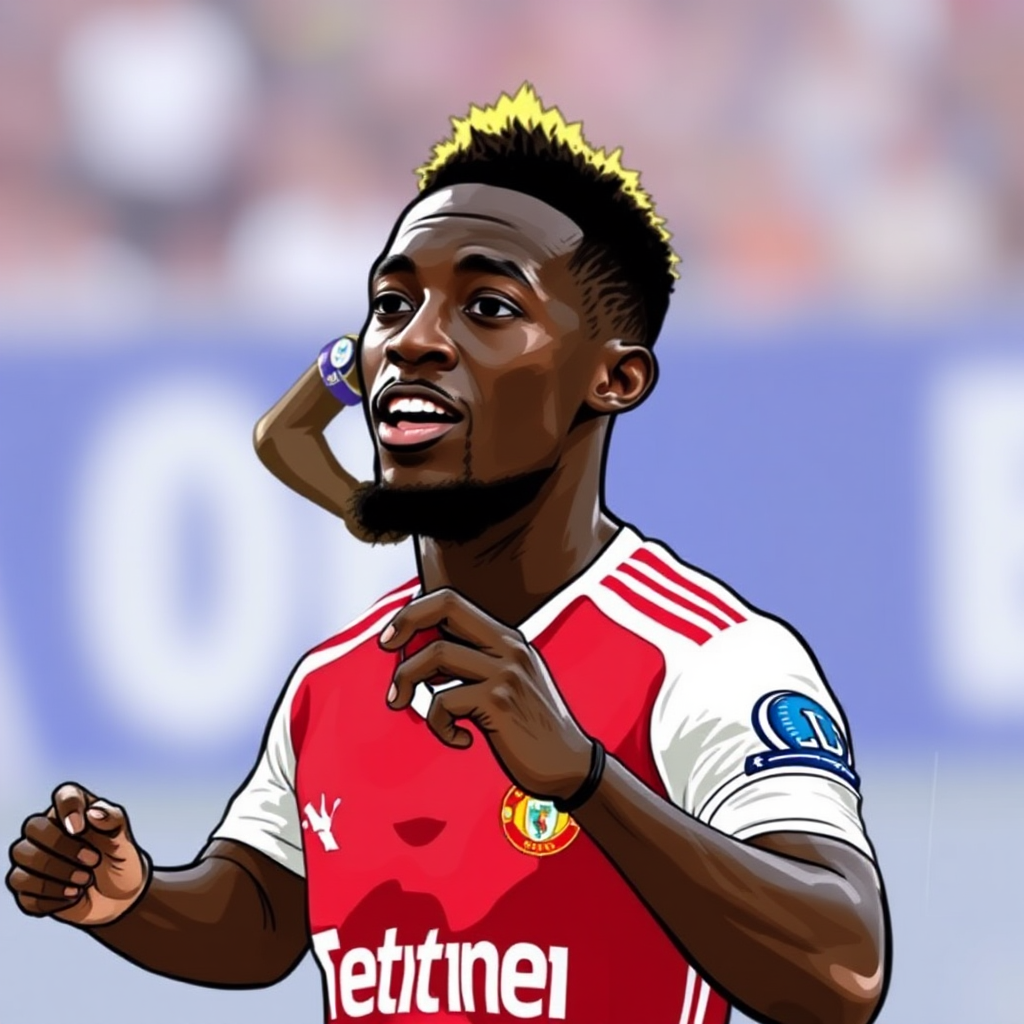
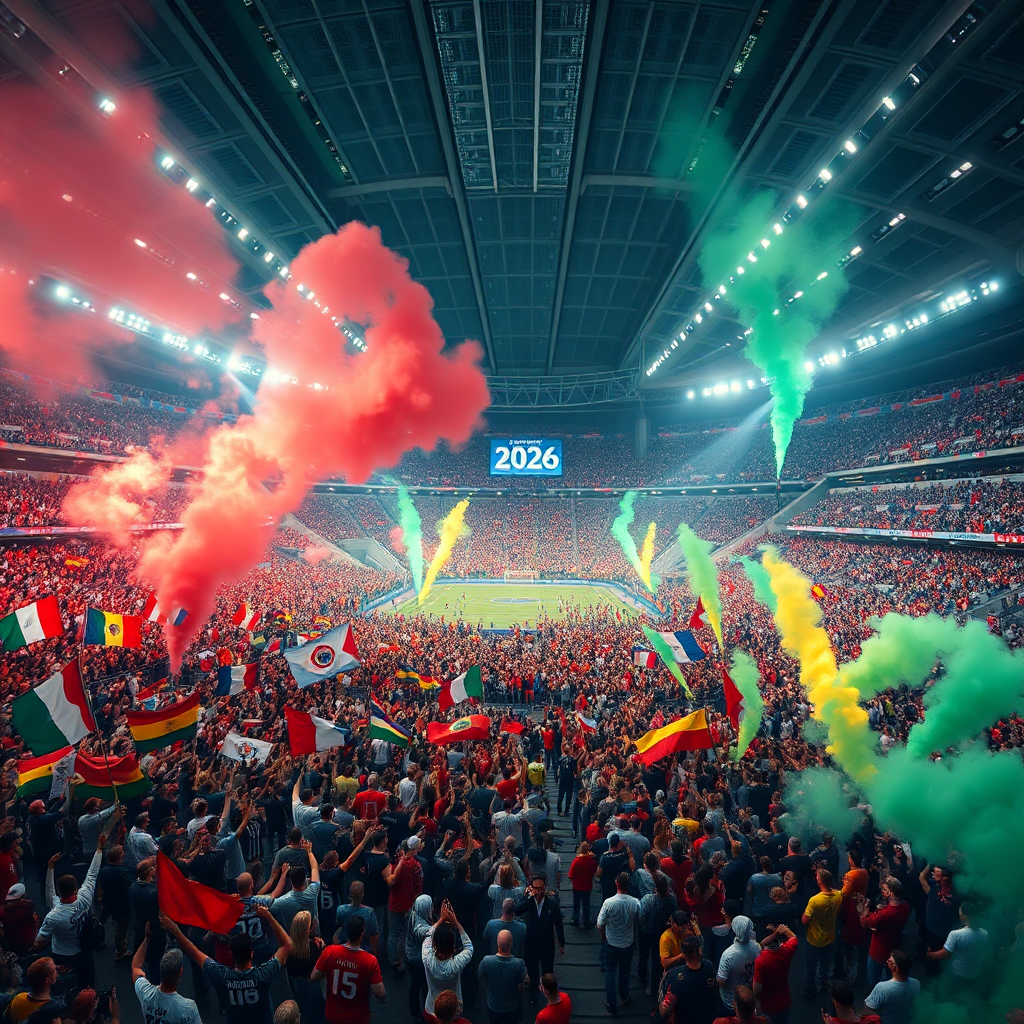 Hình minh hoạ: Sky88




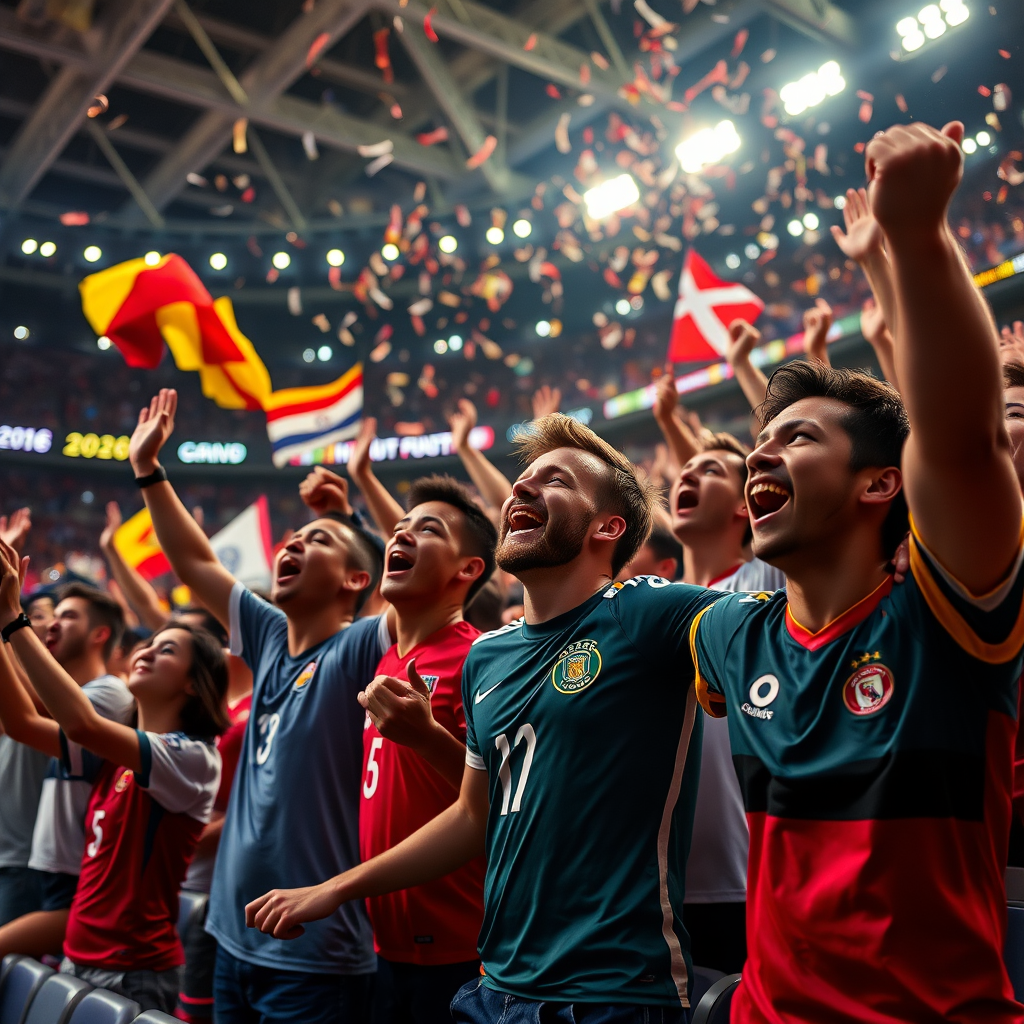 Hình minh hoạ: https://mu888pro.com/

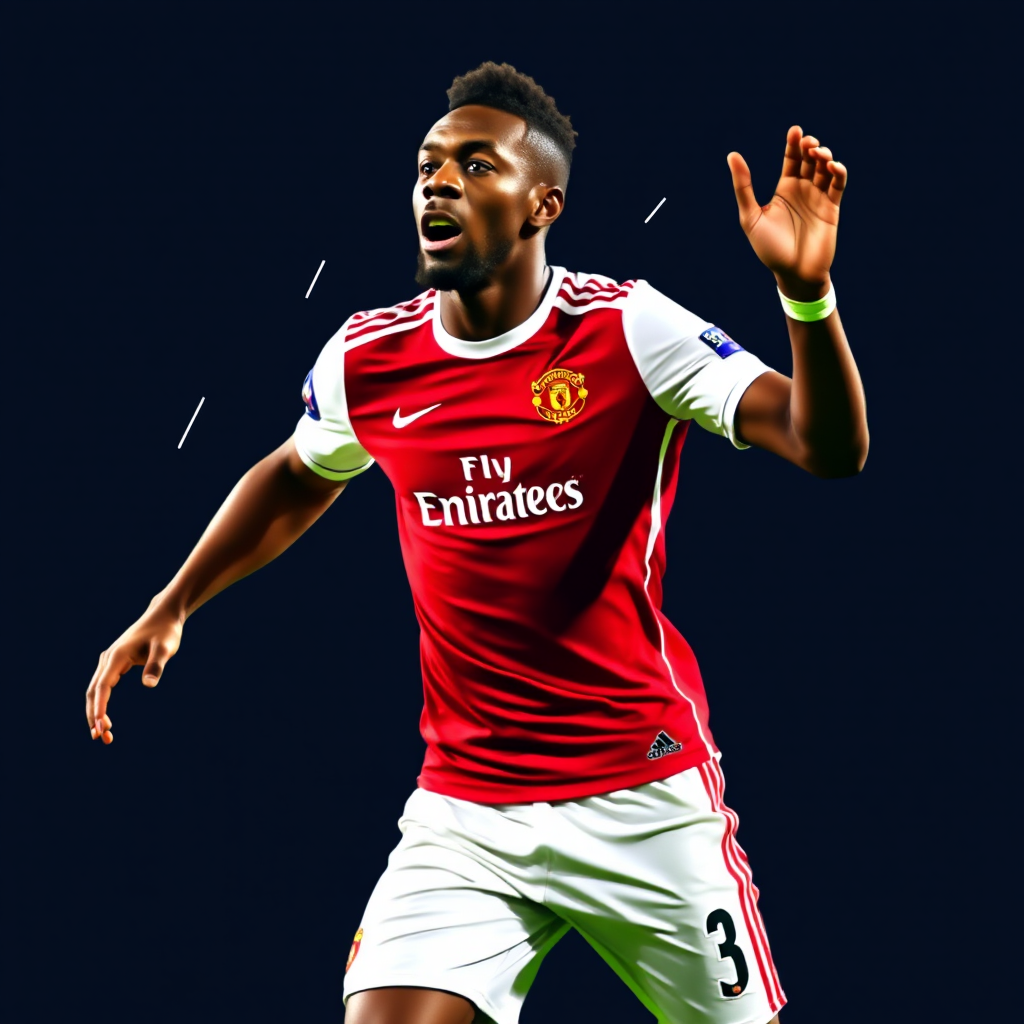


 Hình minh hoạ: https://mu88ai.com/



 Hình minh hoạ: https://mu888c.com/




 Hình minh hoạ: Dabet




 Hình minh hoạ: