
Liverpool Injury Shock: Detailed Preview on 789club-1.ae.org
Last Verified Update: Thursday, 23 October 2025 | 14:30 GMT | Next Scheduled Briefing: Friday, 24 October 2025 | 10:00 GMT
If you are trying to finalize your matchday predictions, adjust your fantasy lineups, or simply understand how a sudden squad disruption will alter the tactical setup, you are facing a familiar but frustrating problem: uncertainty. When key personnel miss training or fall outside the initial selection window, the immediate reaction is often a scramble for information. Speculation spreads faster than verified medical reports, leaving supporters and analysts navigating a fog of incomplete data. The priority right now is not to guess which jersey number might start, but to understand how the coaching staff evaluates short-term recovery windows, manages playing minutes, and reshapes the collective system under pressure. This preview breaks down the confirmed developments, contextualizes the physical demands leading up to the setback, examines the tactical adjustments likely to follow, and outlines the exact checkpoints that will determine whether the side maintains its competitive edge or requires a broader structural pivot.
Immediate Updates on the Sudden Setback
The latest information circulating through official club channels confirms that a regular first-team contributor has been removed from the training group following a muscle strain assessment. Medical staff initiated standard imaging and functional mobility protocols immediately after the player reported discomfort during a high-intensity session. The timeline for return remains fluid because modern sports medicine prioritizes tissue healing phases over arbitrary calendar days. Clinicians measure readiness through pain-free range of motion, sprint mechanics, and repeated high-speed running capacity rather than relying solely on elapsed time.
For matchday planning, this means the coaching team will operate with a restricted training roster for the next forty-eight hours. Selection meetings will focus on identifying which available players can safely absorb increased workload without creating secondary fatigue issues. Historical data shows that rushing a returning athlete often triggers compensatory movement patterns, which increases the probability of a different injury manifesting elsewhere. The current approach emphasizes conservative integration: light technical work, isolated conditioning, and controlled small-sided games designed to test decision-making under mild physical stress. Until the medical department clears the individual for unrestricted drills, the managerial staff will treat the situation as an active variable rather than a fixed outcome.
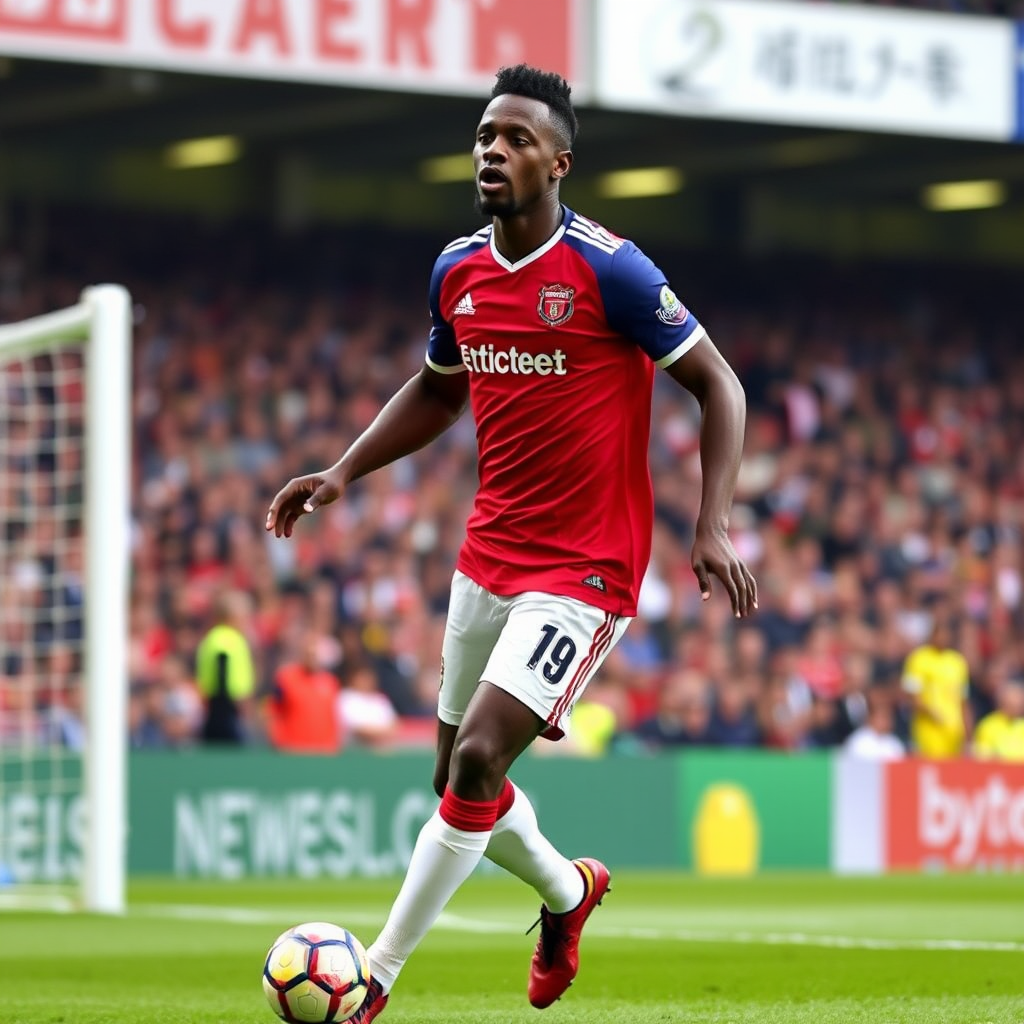 Hình minh hoạ: 789club
Context Behind the Physical Load
Sudden muscular setbacks rarely occur in isolation. They typically emerge from compounding factors that stretch across consecutive weeks of competition. Liverpool’s recent schedule has featured rapid turnaround fixtures, requiring players to recover fully between high-stakes matches. The combination of travel distance, varying pitch surfaces, and intense pressing directives places significant demand on the posterior chain and lower extremities. Sports science departments monitor these variables using GPS tracking, heart rate variability, and subjective wellness questionnaires to flag athletes who are approaching physiological thresholds.
When congestion increases, rotation becomes mandatory rather than optional. Coaches distribute minutes across similar positional profiles to prevent any single individual from absorbing disproportionate load. However, even with careful planning, microtraumas can accumulate, especially during periods where international call-ups or cup competitions interrupt domestic rhythm. The current situation reflects how elite programs balance performance optimization with risk mitigation. Rather than treating injuries as isolated failures, staff analyze them as systemic responses to scheduling density, training volume, and individual biological variance. Understanding this backdrop removes the emotional reaction from the equation and replaces it with a structured view of how top-tier squads navigate physical attrition.

Tactical Ripple Effects and Squad Adjustments
A missing starter forces immediate recalibration of the team’s baseline shape. The coaching staff must evaluate whether to shift formation, alter pressing triggers, or redistribute defensive responsibilities among existing personnel. Backup options are not always direct substitutes; they often bring different strengths that require tactical adaptation. Some alternatives excel in vertical transitions, others in lateral ball circulation, and some provide superior aerial coverage. The manager’s choice depends on the opponent’s profile, the stadium conditions, and the specific phase of play that needs reinforcement.
Below is a framework illustrating how positional changes typically propagate through the system:
| Positional Impact | System Adjustment | Performance Expectation |
|---|---|---|
| Midfield Control | Higher tempo distribution, reduced holding depth | Increased transition speed, slightly higher defensive exposure |
| Defensive Stability | Compact block, emphasis on interceptive positioning | Lower concession risk, reduced forward penetration volume |
| Attacking Width | Inverted full-back rotations, central overload | More compact buildup, reliance on diagonal switching |
These adjustments are not static. They evolve based on real-time feedback from the bench, opponent behavior, and match-state requirements. Coaches frequently rotate roles during halftime to exploit mismatches or neutralize unexpected threats. The presence of versatile players who can execute multiple functions reduces the friction caused by sudden absences. Training sessions in the coming days will prioritize pattern recognition, set-piece organization, and transitional communication to ensure that structural integrity remains intact despite personnel changes.

Media Commentary and Stakeholder Responses
Journalists, former professionals, and dedicated analysts have begun dissecting the situation through various lenses. Some focus on historical precedents where similar setbacks forced unconventional selections, resulting in either tactical innovation or temporary vulnerability. Others examine how the club’s recruitment architecture compensates for unpredictable attrition by maintaining a surplus of technically compatible performers. Fan communities are simultaneously adjusting budget allocations for fantasy platforms, reassessing long-term projections, and monitoring social media for credible updates rather than viral rumors.
Verifying information remains critical in an environment where unconfirmed reports circulate rapidly. Supporters who track official communications, trusted local correspondents, and verified sports medicine summaries consistently receive clearer signals than those relying on aggregate forums or speculative threads. Several dedicated platforms aggregate match previews, injury timelines, and tactical breakdowns to help readers cross-reference data efficiently. Enthusiasts who prefer structured, regularly updated analyses often consult resources like 789club to compare editorial assessments with independent statistical models. This layered approach reduces confirmation bias and ensures that decision-making stays grounded in observable trends rather than emotional extrapolation.
Managerial press conferences typically acknowledge the disruption while emphasizing procedural consistency. Staff avoid predicting exact return dates, instead describing the rehabilitation pathway and the criteria required for full integration. Players who step into unfamiliar roles usually respond with heightened focus, recognizing that extended minutes represent both responsibility and opportunity. The locker room culture generally treats temporary shortages as catalysts for collective improvement rather than reasons for structural compromise.

Monitoring Framework and Upcoming Tests
The next seventy-two hours will serve as the primary diagnostic window. Medical teams will conduct follow-up screenings, evaluate soft-tissue responsiveness, and compare biometric data against baseline benchmarks. If inflammation markers decrease and neuromuscular coordination normalizes, the athlete may progress to non-contact drills, followed by controlled opposition scenarios. Concurrently, the coaching staff will observe how replacement personnel handle game-like intensity, noting which combinations sustain possession efficiency and which generate unnecessary turnovers.
Several measurable indicators will determine whether the side maintains its intended trajectory:
- Pressing Success Rate: Does the adjusted block maintain high-intensity engagement without excessive stretching?
- Transition Efficiency: Are counterattacks organized quickly, or does delayed execution allow opponents to reset defensively?
- Set-Piece Execution: Can auxiliary players replicate designated routines with minimal rehearsal?
- Bench Impact: Do incoming substitutes elevate tempo in the final thirty minutes, or does fatigue dictate a passive posture?
Fixture difficulty will also influence strategic calibration. Against physically dominant opponents, the staff may prioritize defensive solidity and controlled possession. Against technically fluid sides, the focus could shift toward spatial manipulation and aggressive territorial gain. These choices remain flexible until pre-match warmups reveal how bodies respond to concentrated activity. Tracking training ground footage, listening to manager quotes, and reviewing post-session medical bulletins provides the most accurate forecast.
Conditional Verdict
The ultimate outcome depends on two overlapping variables: the speed of tissue recovery and the tactical adaptability of the available roster. If the injured participant demonstrates clean progression through functional milestones and rejoins unrestricted training, the side will likely revert to its preferred configuration without disrupting momentum. Should the timeline extend beyond the immediate window, the coaching staff will commit to a modified system that emphasizes structural compactness, controlled buildup, and selective verticality. In that scenario, success hinges on disciplined positioning, efficient chance creation, and effective substitution timing. Monitor the medical clearance status, evaluate early-match tempo control, and assess how seamlessly backup players integrate into established patterns. If those elements align, the squad can navigate the disruption without losing competitive standing. If recovery stalls or transitional cohesion falters, expect a deliberate shift toward risk-managed possession and deeper defensive organization until stability returns.