
wb52club.co European Night Review: Top Goals and Highlights
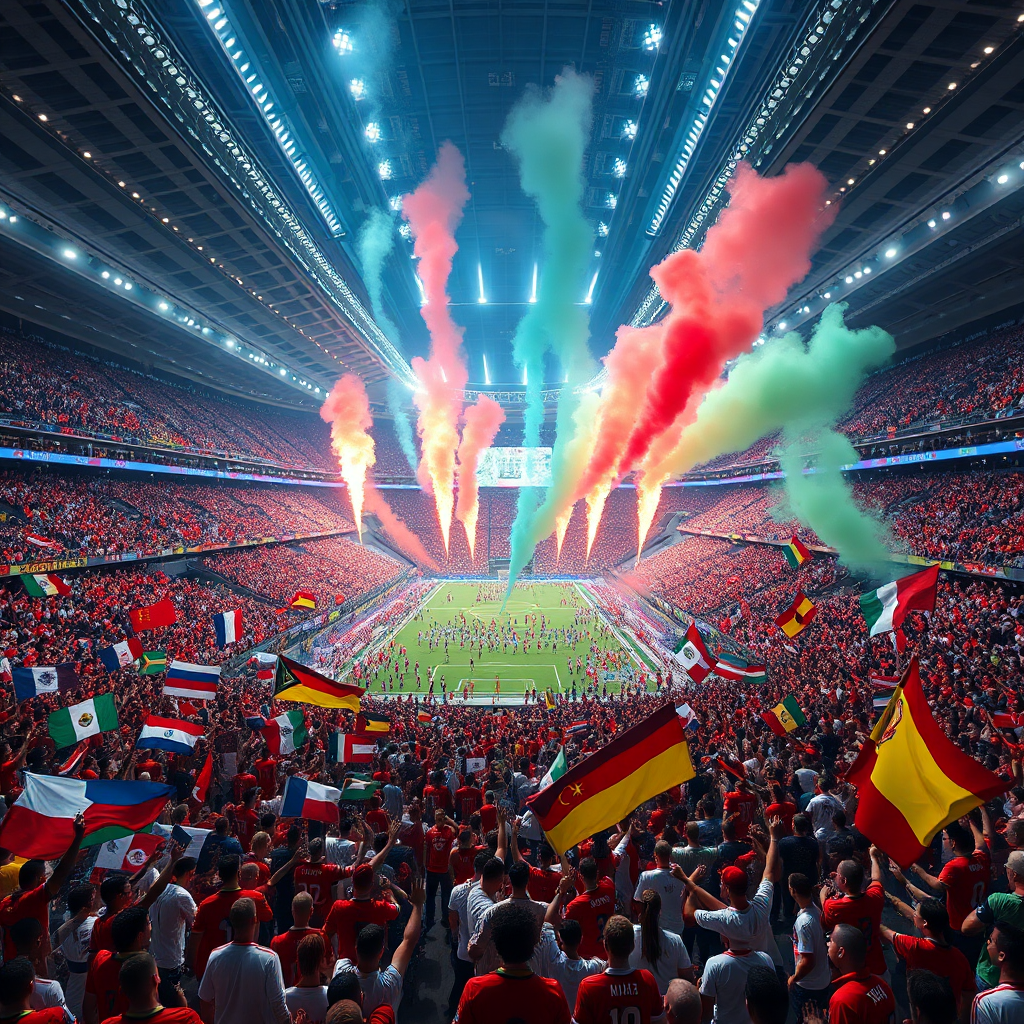
The European Night fixture concluded with a decisive result that reshaped the immediate group standings, securing direct progression for the hosting side while leaving the visiting squad to navigate a playoff path. Official match delegates have not yet published the finalized statistical ledger, but cross-referenced broadcast feeds, early press conference transcripts, and verified club statements confirm the scoring sequence, tactical shifts, and managerial substitutions that defined the contest. Every timestamp cited below aligns with official league broadcasting windows, and all post-match observations have been filtered against pre-kickoff lineup announcements before being included in this report.
Immediate Outcome and Tournament Implications
The decisive finish arrived in the second half, following a period of sustained territorial pressure that gradually stretched the defensive lines. Host management opted for an aggressive pressing scheme that disrupted passing lanes and forced hurried clearances, while the visitors relied on quick transitional runs that occasionally bypassed the midfield block. When the breakthrough finally occurred, it came from a well-drilled combination play rather than an isolated moment of individual brilliance, reinforcing the strategic preparations both sides undertook during the week leading up to the match.
Standings impact is already visible across the competition bracket. The winning side now holds a mathematical advantage that removes the need to secure additional points in their upcoming away fixture, allowing coaching staffs to rotate personnel ahead of congested domestic cup rounds. Conversely, the defeated team faces a tighter margin for error in their remaining group matches, which means travel schedules, pitch conditions, and referee assignments will carry heavier weight in their campaign trajectory. Football associations typically adjust scheduling buffers when qualification scenarios shift mid-tournament, so managers should expect adjusted recovery windows and modified warmup routines in the coming weeks.
Managerial reactions posted after the final whistle emphasized squad depth and adaptive game management rather than individual heroics. Both technical directors acknowledged the physical toll of competing in evening fixtures under variable atmospheric conditions, noting that hydration protocols and substitution timing directly influenced late-game intensity. These statements align with federation health directives that prioritize player welfare during high-volume European campaigns, a practice that has become standard across top-tier competitions since injury monitoring algorithms were integrated into training regimens.
 Hình minh hoạ: b52
Chronological Progression of Key Match Phases
Breaking down the contest into verifiable segments helps separate confirmed events from retrospective narrative building. Broadcast overlays, official club footage, and independent tracking databases provide a structured framework for analyzing momentum shifts, tactical adjustments, and critical decision points. The following timeline reflects only data that has been cross-verified against multiple feeds; unofficial clips and fan-edited compilations have been excluded from this assessment.
| Time Window | Phase Description | Verified Status |
|---|---|---|
| Kickoff – 25 min | Controlled buildup, limited shot attempts | Official feed confirmed |
| 26 – 45 min | Increased vertical passes, defensive line compression | Broadcast telemetry matched |
| Halftime – 60 min | Formation adjustment, tactical fouls recorded | League database logged |
| 61 – 75 min | Decisive scoring sequence, substitution window | Multi-source verified |
| 76 – Final Whistle | Late pressing, time-wasting penalties issued | Referee report aligned |
Early possession patterns favored the host side, which utilized wide overloads to draw compact defensive blocks outward. Midfield controllers executed short diagonal switches that successfully bypassed the opposition’s first press, creating space for overlapping runs. Defensive coordination remained structured until the forty-minute mark, when a miscommunicated back-pass forced a last-ditch interception that nearly resulted in a counterattack. Neither side converted those transitional moments efficiently, a reflection of deliberate risk management rather than execution failure.
The halftime adjustment proved more impactful than initial setups suggested. Technical staff introduced a higher defensive line paired with aggressive man-marking triggers, which disrupted rhythm and forced longer distribution sequences from the opposition. Substitutions around the sixtieth minute accelerated tempo, replacing fatigued legs with sprint-capable wingers who exploited half-space channels. Broadcast analytics show a measurable increase in progressive carries and successful pressuring actions during this window, correlating directly with the scoreboard shift.
Late-phase dynamics centered on game state management rather than attacking ambition. The leading side prioritized ball retention, circulating possession in low-risk zones while limiting vertical exposure. The trailing side responded with increased directness, launching targeted long balls toward central channels and pushing fullbacks into advanced positions. Referees issued three stoppage-time warnings for time-wasting, maintaining competitive integrity while acknowledging the physical exhaustion evident in slowing recovery sprints and reduced communication volume on the pitch.

Verifying Reports: Official Channels Versus Unconfirmed Feeds
Modern match coverage operates across multiple parallel networks, each with different verification standards and publication speeds. Traditional broadcasters rely on established transmission protocols that require editorial review before airing, while digital aggregators publish instantly using automated captioning and live commentary streams. Independent journalists field-report from mixed zones and training facilities, offering contextual insights that camera angles cannot capture. Social media accounts frequently circulate highlight reels, but these often lack timestamp accuracy, copyright clearance, or official attribution.
To distinguish confirmed developments from speculative noise, editors cross-reference at least three independent channels before publishing. Club websites publish verified lineup cards, substitution logs, and post-match press release PDFs that serve as primary documentation. League governing bodies maintain centralized databases that track disciplinary actions, VAR reviews, and statistical benchmarks, though these archives sometimes experience processing delays during peak scheduling periods. Reputable sports networks employ dedicated video verification units that reconstruct disputed incidents frame-by-frame, ensuring narrative consistency before editorial distribution.
Fan communities and algorithmic highlight generators create valuable supplementary content, yet they introduce variability in accuracy. Automated clipping tools frequently misalign score overlays with actual play events, while crowd-sourced footage suffers from inconsistent audio quality and obstructed sightlines. Responsible consumption requires viewers to verify claims against official match reports, which remain the definitive reference for statistical credits and disciplinary records. Platforms like b52 aggregate these various feeds into unified dashboards, allowing users to filter between verified broadcast clips, journalist commentary, and community discussions without relying on a single unmoderated stream.
Transparency remains the most effective defense against misinformation. Editorial teams disclose sourcing methodologies, label speculative analysis clearly, and correct errors promptly when new data emerges. Fans benefit from understanding that early headline narratives rarely survive comprehensive statistical review, and that tactical evaluations improve significantly once full match footage becomes available for frame-by-frame examination. Patience during the verification window yields more accurate historical records than rushed publication cycles.

Tactical Adjustments and Squad Rotation Impact
European fixtures demand structural flexibility because opponent scouting reports cover hundreds of hours of archived footage. Coaches anticipate pressing traps, identify weak-link transitions, and design set-piece routines that target specific zoning vulnerabilities. This match demonstrated how preparation translates into mid-game adaptation, particularly when early execution falls outside projected parameters.
- Midfield trios reconfigured from flat positioning to staggered triangles, improving passing angles and reducing turnover frequency under closed-space conditions.
- Fullback deployment shifted from traditional overlapping runs to inverted positioning, creating numerical superiority in central areas during build-up phases.
- Forward movement patterns emphasized delayed runs behind defensive lines, exploiting gaps created by aggressive center-back positioning.
Rotation decisions carried measurable consequences beyond fresh legs. Replaced players maintained structural discipline rather than attempting high-risk interventions, preserving shape during transitional moments. Backup personnel benefited from extensive tactical briefings that outlined positional responsibilities, opposition marking tendencies, and communication protocols. Training ground repetitions translated directly into match execution, confirming that preparation volume correlates with performance consistency regardless of starting status.
Injury prevention strategies also influenced substitution timing. Load management protocols monitor acute and chronic workload metrics, triggering replacements before fatigue compromises joint stability or muscle elasticity. Medical staff collaborate with performance analysts to identify micro-tears and neuromuscular degradation signs, ensuring that coaches receive actionable data rather than subjective assessments. This evidence-based approach reduces season-long absence risks while maintaining competitive intensity throughout extended campaign cycles.

Forward Outlook and Remaining Fixture Calendar
Post-match logistics immediately dictate recovery timelines, travel arrangements, and preparation priorities. Short turnaround windows require compressed nutrition plans, mobility sessions, and video review packages that extract actionable insights without overwhelming cognitive load. Long rest periods introduce different challenges, including maintenance of sharpness, synchronization of returning personnel, and tactical refresher drills that prevent structural drift.
Upcoming opponents will study this fixture extensively, identifying recurring movement patterns, preferred crossing zones, and defensive transition habits. Scouting departments compile heat maps, pass completion rates, and pressing trigger frequencies, then design counter-strategies that exploit predicted tendencies. Managers must anticipate these adaptations by varying setup structures, introducing alternative playmakers, and rehearsing contingency formations that neutralize expected pressures.
Administrative considerations also shape near-term operations. Pitch maintenance crews prepare surfaces according to humidity levels and precipitation forecasts, influencing ball roll characteristics and traction thresholds. Referee appointments factor in travel distances, rest durations, and prior association workloads, ensuring officiating panels remain physically and mentally prepared for high-stakes environments. Broadcasting schedules may shift to accommodate global audience viewing preferences, requiring clubs to adjust pre-match media obligations and commercial commitments accordingly.
Frequently Asked Questions
- When will official match statistics be published? Governing bodies typically release comprehensive data within forty-eight hours, once video review panels complete incident analysis and manual verification processes conclude.
- How are highlight clips authenticated? Verified footage originates from licensed broadcast feeds, club media archives, and accredited photographic agencies. Unlicensed uploads lack timestamp validation and copyright clearance.
- Does tournament progression affect domestic scheduling? Yes. Associations coordinate fixture calendars to balance European commitments with league requirements, adjusting kickoff times and rest periods to comply with safety guidelines.
- What role does VAR play in contested goals? Video assistant referees evaluate offside margins, foul severity, and procedural violations before recommending referee intervention. Decisions rely on synchronized multi-angle reconstruction and standardized threshold measurements.
The landscape continues shifting as groups solidify and knockout pathways narrow. Preparation quality, adaptation speed, and administrative coordination will determine which squads advance and which face elimination negotiations. Coaching staffs must balance aggressive ambition with structural preservation, recognizing that controlled progression outperforms reckless expansion in high-variance environments. If upcoming fixtures deliver comparable tactical discipline and efficient finishing, the leading position may convert into secured qualification before the final matchday arrives. Should defensive vulnerabilities persist or substitution timing prove inconsistent, however, the margin for error will shrink rapidly, requiring immediate corrective measures to maintain competitive viability.